4407 Manchester Ave # 204, Encinitas, CA 92024, United States
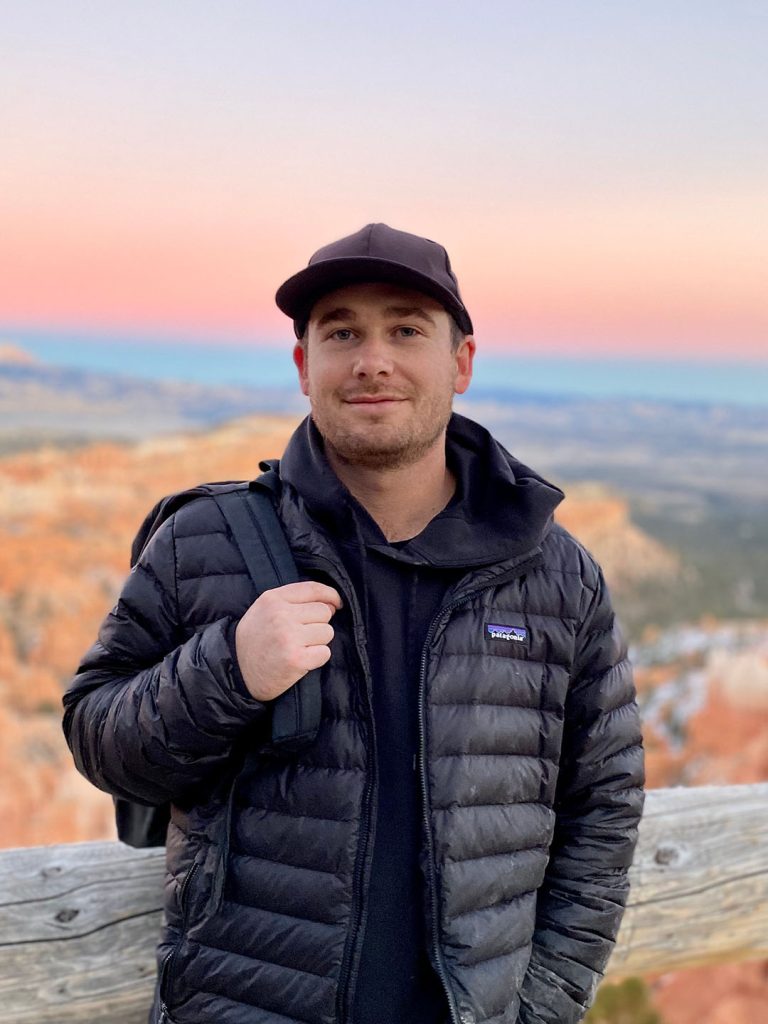
Meet Dr. Dungan, DC
Blair upper cervical chiropractor and founder of Upper Cervical Chiropractic Encinitas.
I came to upper cervical chiropractic as a patient first. After a neck injury and a couple of accidents that did not seem like much at the time, I started dealing with symptoms that did not go away on their own. I found general chiropractic care, and it helped. But something deeper was still there, and I could feel it.
The Blair approach was the first method that actually made sense to me. It was specific, precise, and focused on the upper neck in a way I had not experienced before. More importantly, it was the first approach that let me finally heal.
“That experience changed how I thought about chiropractic, and what it could be when it was done with that level of detail. It is why I focus on upper cervical care now.”
The office is built around the kind of specific, thoughtful, objective work that helped me, delivered in a modern and grounded way.
Background and approach
Dr. Dungan studied Kinesiology at San Diego State University before earning his Doctor of Chiropractic degree at Life West Chiropractic College. He is also certified in Cranial Facial Release, also known as the Nasal Specific Technique. His focus on upper cervical care came out of his own experience as a patient, and the realization that detail and specificity were what had been missing from the care he had tried before.
The office is built around two things. The first is a narrow clinical focus on the upper cervical complex, the small region at the base of the skull where the occiput, atlas, and axis come together. The second is objective testing. Imaging, balance, range of motion, joint position sense, sensorimotor control. No two upper cervical spines are shaped alike, even from side to side within the same person, which is why measurement matters. The work needs to fit the patient, not the other way around.
“No two upper cervical spines are shaped alike. Every plan is built around the person in front of me, not a template.”
Cranial Facial Release (CFR) sits alongside that work. It is a specific technique used to mobilize the bones of the skull and face and open the nasal passages, and it is applied selectively, in cases where restricted cranial motion or nasal airway function appears to be part of the picture. The same principle applies as with everything else in the office: it is used when findings call for it, not by default.
Care looks different patient to patient. Adjustments happen when objective findings call for them, and progress is tracked with measurable tools. The goal is to figure out whether the upper neck is contributing to what a patient is experiencing, address it as specifically and gently as possible, and support the body in doing what it is built to do, which is heal and adapt given the right inputs.